



SULOTIONS
Why AZTEC Code is Becoming a Smarter Choice for Modern Ticketing Systems
Introduction:
Large venues and transit networks handle massive daily crowds. But when a single barcode fails—folded, scratched, low print contrast below 10%, or a phone screen under glare—the scanner struggles. One person waits seconds. Multiply that across 50,000 attendees or a city-wide transport system, and delays turn into queues, manual checks, and operational friction. That is why barcode reliability matters in large-scale ticketing. And that is where AZTEC Code fits.
The Aztec Code is a 2D matrix symbology known for its high data density and compact footprint. Unlike traditional linear barcodes, this 2D format packs substantially more information into a significantly smaller space. For ticketing applications, this advantage is critical. A transit card may have a very narrow layout; a boarding pass or event wristband often needs to accommodate other printed details; and a mobile e‑ticket must present a clearly scannable code on a relatively small phone screen. Across all these formats, our decoding engine ensures that an Aztec‑encoded credential is read instantly and reliably — regardless of the medium or surface.
The result is a compact barcode that can fit naturally into different ticketing, transportation and access-control scenarios. But data capacity is only part of the story. For real-world ticketing, reliability and compatibility can be just as important. One Barcode, More Ticketing Scenarios. Modern ticketing is no longer limited to a printed paper ticket. Customers may receive a ticket through a mobile app, email or digital wallet. Others may still use printed tickets, especially in transportation, event admission and environments where physical tickets remain part of the workflow. This creates a practical challenge for ticketing platforms.
AZTEC Code can be integrated into both physical and digital ticket workflows. That makes it suitable for applications such as:
For transportation operators, compact barcode design can be especially useful when ticket space is limited. Instead of dedicating a large area to a barcode, a smaller code can leave more room for route information, passenger information, instructions or other ticket content.
Whether the ticket is printed or displayed on a smartphone, the objective remains the same: Make ticket validation simple, fast and reliable.
This can also help organizations manage different access levels, time periods and ticket types within the same overall validation architecture.
Application: Air boarding pass/Railway electronic ticket/Concert and sports event tickets/
This is where real-world ticketing becomes very different from a laboratory environment. Tickets get folded. They get scratched. They may be printed by different printers with different quality levels. Mobile screens have different brightness settings. Outdoor transportation environments can introduce glare or difficult lighting conditions. A ticketing barcode needs to work in the real world — not only when the ticket is perfectly printed and positioned. AZTEC Code incorporates error correction capabilities that can help maintain readability when part of the symbol is damaged or obscured. That additional tolerance can be valuable for organizations handling large volumes of tickets. For a venue or event organizer, fewer scanning failures can mean fewer manual checks. For a transportation operator, smoother validation can help reduce interruptions at gates and checkpoints. For a ticketing platform, reliable barcode validation can contribute to a more consistent user experience. And ultimately, fewer exceptions can mean lower operational workload. Smaller Code. More Information. More Flexibility. One of the practical advantages of AZTEC Code is its compact design. This is important when the available ticket space is limited. Think about a small transit ticket. Or a narrow printed receipt. Or an event pass that needs to include branding, terms and conditions, seat information and other details. Or a mobile ticket where screen space is limited. A smaller barcode gives ticket designers more flexibility. At the same time, the 2D format allows the code to carry more information than a conventional linear barcode. This creates possibilities for ticketing platforms, event management systems, venue access systems and transportation operators that need to connect ticket issuance with validation.
4. Why Does This Matter to Your Business?
The barcode itself is only one component of a complete ticketing solution. The real value comes from what happens around it. For a ticketing platform, better barcode flexibility can help support more ticket formats and improve the ticket validation workflow. For an event organizer, reliable scanning can help reduce entry problems and keep attendees moving through the gate. For a venue operator, it can reduce the number of situations where staff need to manually verify a ticket. For a public transportation operator, it can provide another option for creating a consistent barcode strategy across printed and electronic tickets. And for all of these businesses, the goal is similar: Less manual work. Fewer validation problems. Smoother customer flow. Lower operational costs. Better ticketing management. That is the bigger reason to look beyond simply asking, “Which barcode should we print on the ticket?” The better question is: Which barcode technology fits the way our entire ticketing operation actually works? From Printed Tickets to Digital Tickets. The future of ticketing is not necessarily about replacing physical tickets with digital tickets overnight. Many businesses need to support both. A transportation operator may issue mobile tickets while still providing printed tickets. An event organizer may sell digital tickets online while offering printed credentials for certain customers or operational situations. A venue may need to support multiple access methods at the same entrance. A ticketing platform may need to connect all of these workflows to one validation system. That is why barcode compatibility, data capacity, error correction and physical size all matter when designing a modern ticketing system. AZTEC Code provides one possible approach for bringing these requirements together.
Aztec code vs QR code, mobile ticketing, electronic ticket, barcode scanner module, ISO 24778
If you are developing or upgrading a:
AZTEC Code may be worth considering as part of your barcode strategy.
CONTACT US
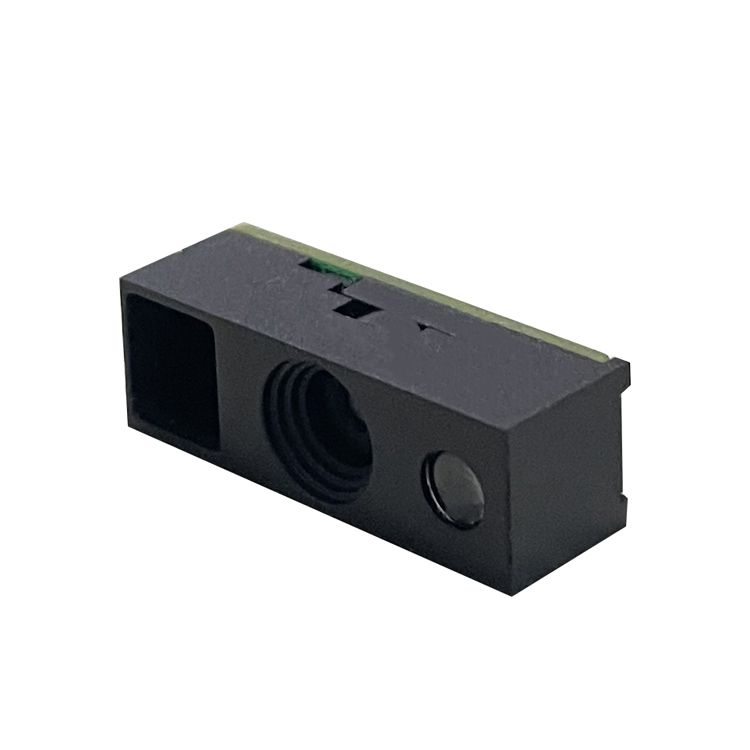
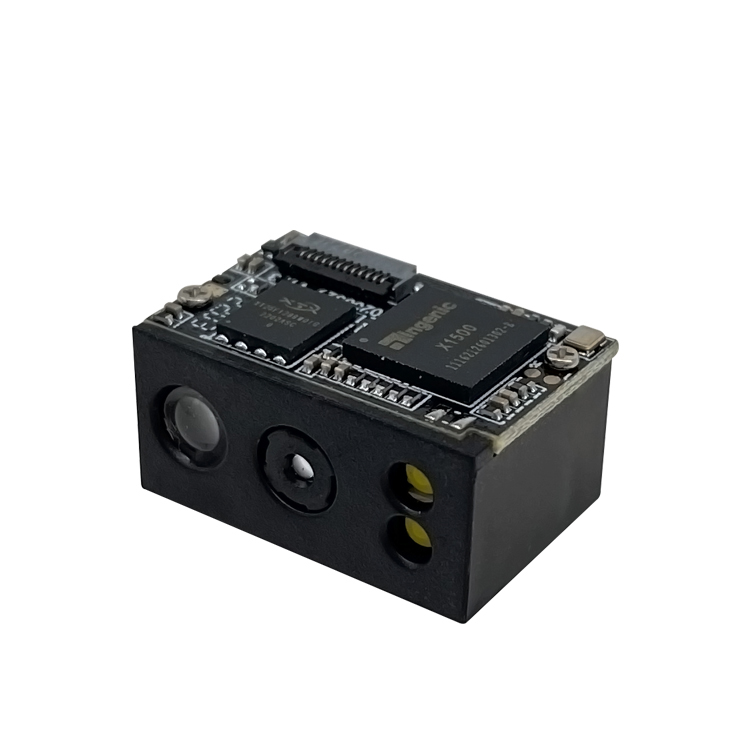
CONTACT US
CONTACT US

are completed before submitting your inquiry.

We will respond within 24 hours.